The quiet window: when two days feel like a full rest
Late April and most of November reward an unhurried pace. Parking is kinder. Trails are not a parade. Meals do not require a strategy.
Read the notePlaceholder articles for the editorial calendar, each with a thumbnail, written in the same calm voice as the guides.
The blog is where Smokey Mountain Travel keeps the shorter counsel. The guides tell you how a town works. These notes tell you how a Tuesday feels. They are written for travelers over 55 who like to read a little before they book, and who would rather one true paragraph than a list of twenty perfect sunsets.
Seven articles sit on this page as placeholders. Each card uses a thumbnail and a link that currently points to # until the full essay is assigned. That is intentional. The editorial calendar is ready. The headlines are ready. The developer can replace each hash with a real slug without redesigning the layout. Until then, the cards still earn their place by telling you what we believe belongs in a mountain journal.
We will not fill this page with tips that treat you like a beginner at adulthood. You already know to drink water. You already know that a heavy suitcase is a tax. What you may want is local timing: when the cove is kind, when the Parkway is a mistake, when a cabin comfort is a trap, when Dollywood is still a pleasure after 55. That is the beat of these pieces.
A visit of two or three days does not need a content library. It needs a few pages that prevent a specific mistake. Eating at 7 p.m. on the Parkway in October is a specific mistake. Booking a loft cabin because the twilight photo was gold is a specific mistake. Saving Cades Cove for 1 p.m. on a Saturday is a specific mistake. The seven notes above exist to head those off, and to do it in a voice that sounds like a well-traveled friend rather than a brochure.
Each finished article should stay inside the same rules as the rest of the site: article schema, a canonical link, a meta description between 145 and 160 characters, all of the story inside the main landmark, lazy loading on every image below the fold, and partner Expedia sections when the topic is hotels or activities. The hash links are the only incomplete part of the machine.
If you are a reader and not the developer, treat the cards as a preview of the advice you will find in the guides today. Shoulder season, easy walks, cabin floor plans, a paced park day, an early cove, an early meal, and a light bag are already the doctrine of this website. The journal will only say them with more story.
We will not publish a listicle that ranks the mountains as if they were products. We will not pretend a steep paved path is easy because it is paved. We will not hide that Gatlinburg is loud on the main street. We will not scold anyone for taking a tram instead of a trail. Travelers over 55 have heard enough scolding. They need accurate ground.
We will also not fill space with nostalgia that freezes the region in 1955. The towns have changed. The park is still a park, and it is also a crowded one. The useful story is how to be in the modern place without losing the reason you came. Porch light. Blue ridge. Time.
When a note is ready, it should open with the practical sentence, not with a weather mood. Mood can follow. The first line should tell a reader whether the piece will save them an hour. If it will not, it should not be on this page.
Partner travel agent · Expedia
If a note convinces you to book, open Expedia while the thought is still kind. These partner hotel cards are the door.

Gatlinburg area
Replace this card with a specific Expedia cabin that has a main-floor bedroom, hot tub access with a rail, and a gentle driveway.
View stays on Expedia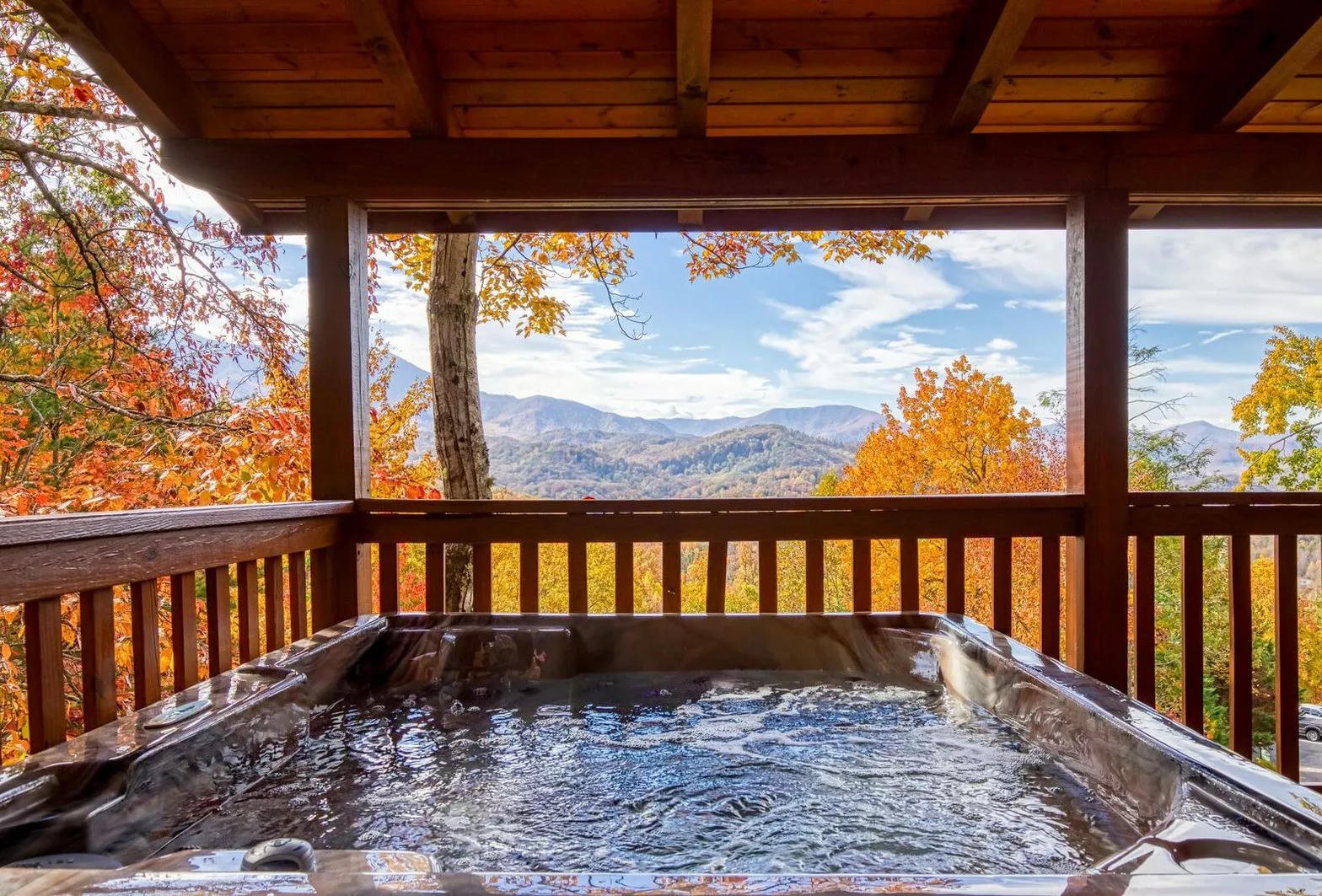
Mountain cabins
A classic Smokies porch stay. Confirm the bedroom count on the entry level and whether the hot tub steps have a handrail.
View stays on ExpediaIf your dates are set, you do not need all seven notes. Read the one that matches the season, the one that matches the bed, and the one that matches the outing. That is three. Save the rest for the next visit. A short trip can be over-researched until it feels like work. The guides already did the heavy reading. The blog is a companion, not a second homework packet.
If your dates are not set, start with the quiet window note and the packing note. Then go to Destinations. The calendar you pick will decide whether Gatlinburg or Sevierville is the kinder base. October needs a different personality than March. The journal will keep saying so until it is obvious.
Share a card with a traveling companion instead of forwarding a stack of links. One thumbnail and one idea is enough for a kitchen-table decision. If you cannot agree, default to the hotel, the early meal, and the scenic drive. That compromise has never ruined a mountain visit. A packed schedule has.
When the full articles go live, each should keep a way back to Lodging and Activities so a reader can act. Advice without a door is decoration. This site is a planning desk. The blog should behave like one.
Until the slugs exist, the seven cards remain labeled as placeholders in the developer notes below. Readers can still use the excerpts. Developers can still see the layout. That is enough for a first launch, and it is honest about what is finished.
Partner travel agent · Expedia
A reserved outing gives the journal something to point at. Replace the marked card with a live Expedia activity.
Gatlinburg or Pigeon Forge
Replace with an Expedia listing for a reserved show, a riverwalk, an aerial tram, or a craft demonstration with indoor seating.
View on Expedia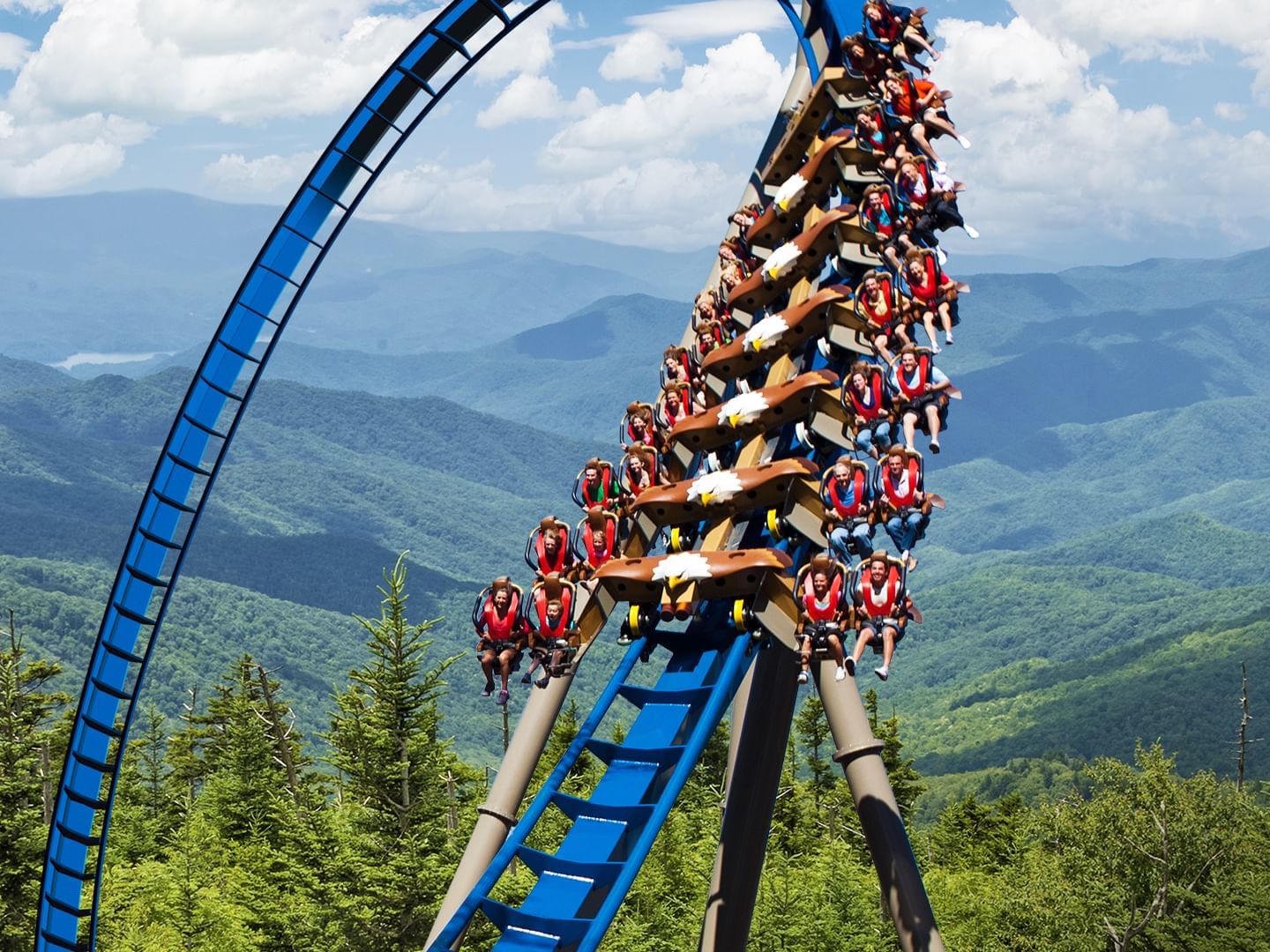
Pigeon Forge
Reserve one show or one park, not both in the same afternoon. Sit for lunch. Let the evening be optional.
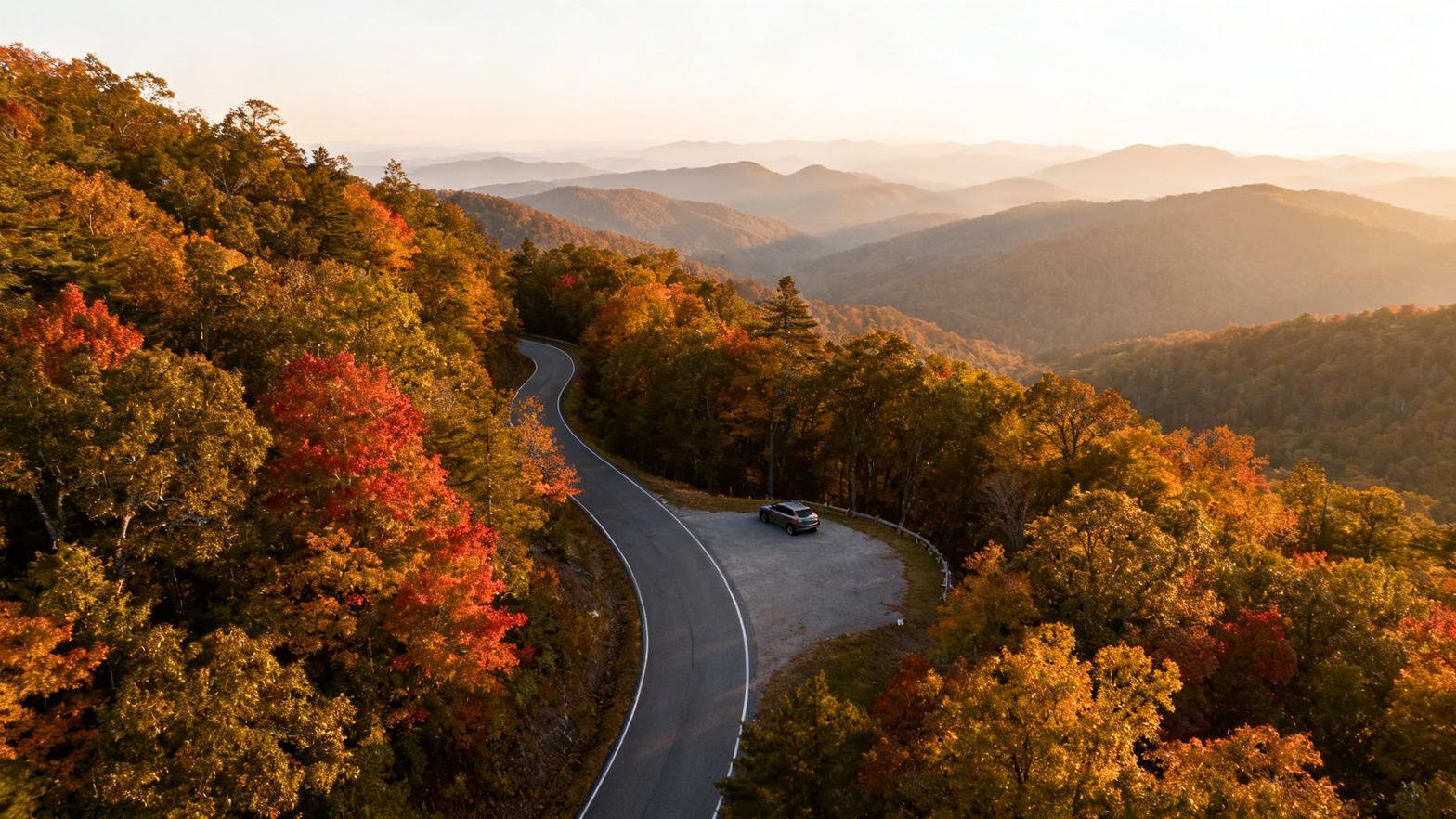
View on ExpediaThe quiet window note will argue for late April, early May, and much of November. Those weeks still have weather. They simply have fewer cars. A two day visit in those windows can include a cove morning without an alarm that feels like punishment. October can be glorious and it can also be a parking exam. If you come for color, come Sunday through Tuesday and eat at odd hours.
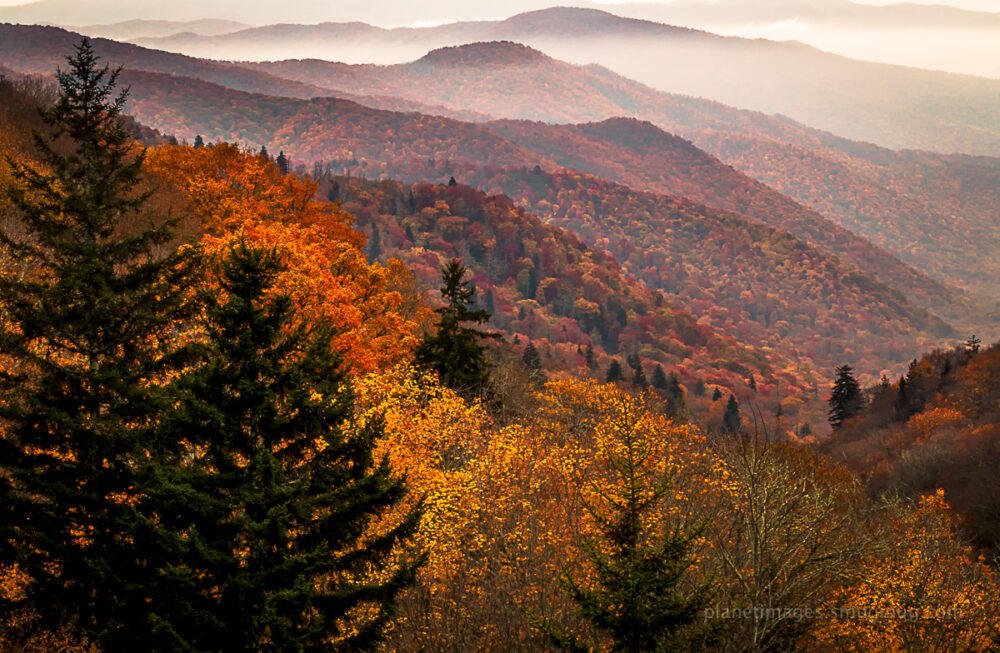
The easy walks note will keep you off the famous climb until you want it. Sugarlands Valley, the Gatlinburg Trail, and the pullouts on Newfound Gap Road are not lesser park. They are the park as most travelers over 55 will actually remember it: air, water, a wall to lean on, a ridge that goes blue in layers.
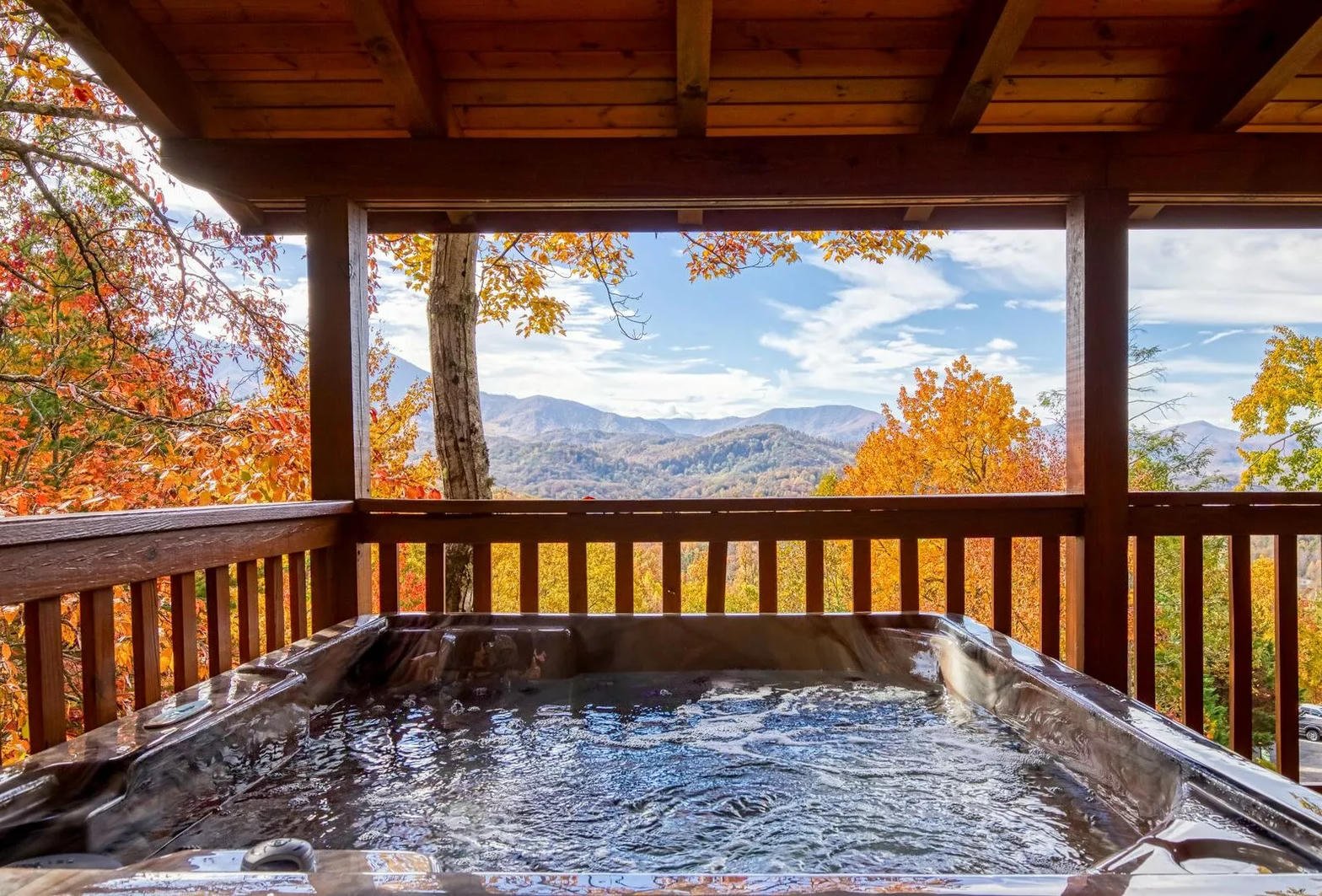
Cabin comforts will keep repeating the floor plan test. A porch is not a bedroom. A loft is not a quirk. A hot tub without a rail is scenery. If the listing cannot say “bedroom on the entry level” in a sentence you can paste into a message, you are not looking at a cabin for this trip. You are looking at a photograph.
The Dollywood note will give you permission to leave. That permission is the whole article. A garden, two shows, an early lunch, and an exit is a complete ticket. Staying until the fireworks because you paid is how a body over 55 remembers the hill instead of the music.
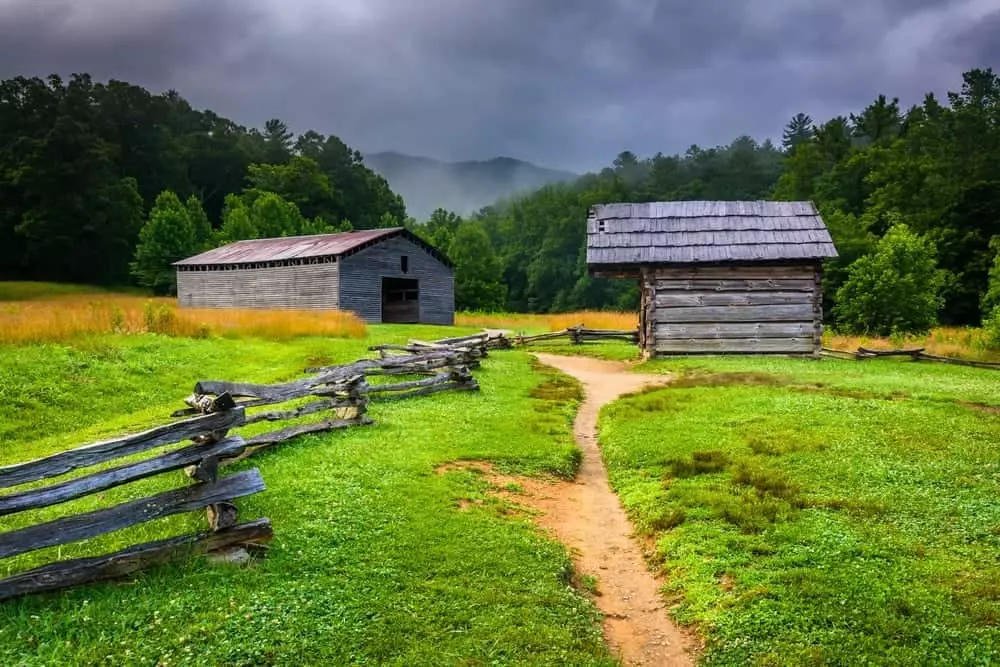
Cades Cove on Sunday morning is a mood as much as a loop. Early is the only trick. The meadow does not perform at 1 p.m. for people who slept in. If you cannot be there near first light, pick Newfound Gap Road instead and still have a mountain morning.
Gatlinburg dining without a wait is a clock problem, not a cuisine problem. Eleven and four beat seven. One street off the Parkway beats the Parkway. A hotel breakfast beats a sidewalk line if the park is the point of the day.
Packing light is a weather problem. The gap is colder than the town. Rain arrives without a speech. Grip shoes earn their space. A third jacket does not. Medicines stay in the bag you carry, not the bag you check. That is the whole packing doctrine, and it will not need a thousand extra words when the full essay lands.
Notes to the developer. Developer notes: Swap ‹HOTEL_NAME_*› and ‹ACTIVITY_NAME_*› for live Expedia titles. Drop the Expedia listing photo onto each ‹REPLACE IMAGE› card. Append ‹EXPEDIA_AFFILIATE_ID› to every Expedia URL. Add ‹CONTACT_EMAIL›, ‹CONTACT_PHONE›, and ‹PHYSICAL_ADDRESS› in the footer. Production logo is https://smokeymtntravel.com/logo.png. Production hero is https://smokeymtntravel.com/art/hero.webp (local fallback lives at art/hero.webp). Seven blog cards link to # until the articles are written. Confirm each meta description stays between 145 and 160 characters after edits. Keep all article copy inside the main landmark. Do not use hyphens in body copy unless Strunk and White require a compound modifier. Point each blog href from # to the finished slug. Write 1200 words in each article before removing the placeholder label. Keep thumbnails at a 16 by 10 crop.